1. Safety and scope
The team explains what it can handle and which parts, like testing a site where drugs were made, need a different plan.
Newark, NJ · Essex County
Is a rental unit, a family member's room or a vacant building in Newark full of items nobody wants to touch? Call (877) 812-4220 for paraphernalia removal, residue cleaning and discreet service.
If anyone is in danger, call 911 first. For a suicide crisis, call or text 988.
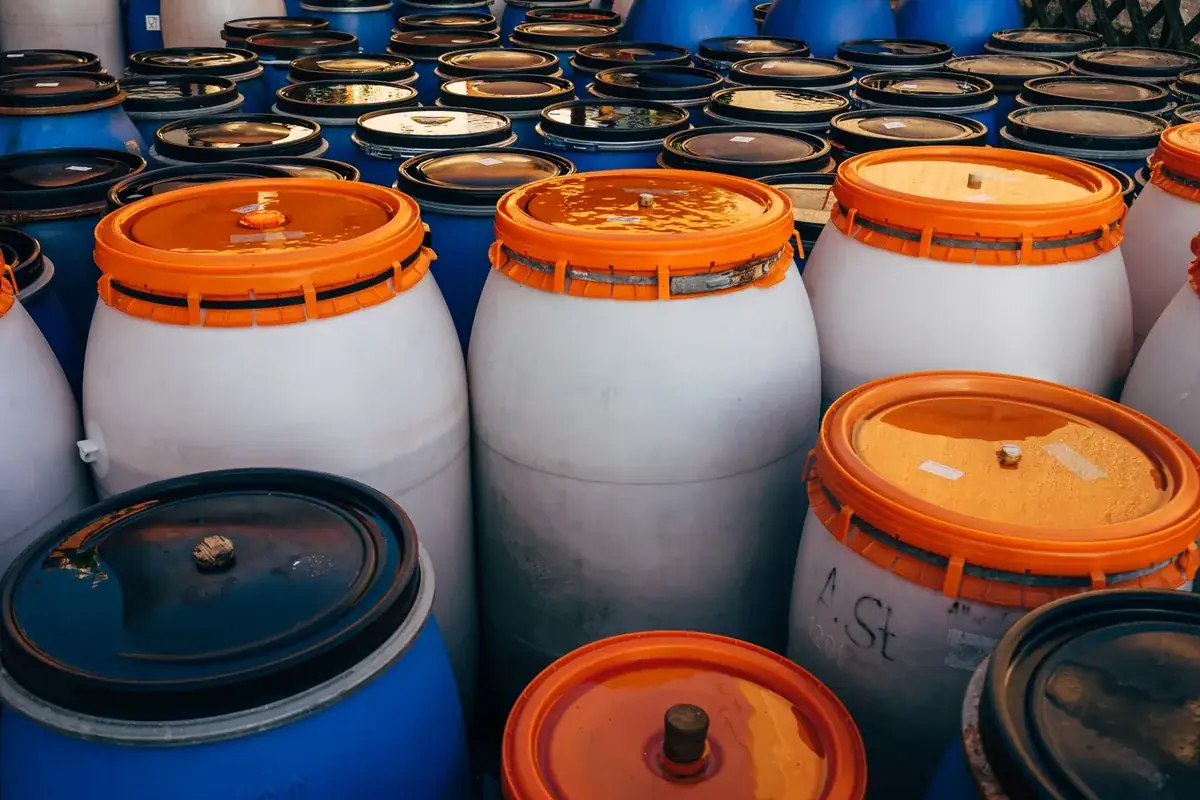
Biohazard cleanup for drug use covers removal of contaminated items, decontamination of surfaces, disposal of soft materials that cannot be cleaned and treatment of lingering odor.
Drug paraphernalia cleanup in Newark is a safety and dignity job, and you can ask Newark Biohazard Cleanup Help for that kind of care in Essex County. The crew keeps details private, takes care with every item and explains what was done.
With about 76% of Newark households renting, a unit left in poor shape after a move-out is a common reason for a cleanup call. After a needle stick or exposure to an unknown substance, get medical care. Saint Michael's Medical Center in Newark is the closest emergency room to Newark.
The work often covers:
The team explains what it can handle and which parts, like testing a site where drugs were made, need a different plan.
Needles and other sharps are lifted and sealed before anything else is moved.
Floors, furniture and fixtures are cleaned. Porous materials that hold residue are cut out or removed.
Surfaces are disinfected, odors are treated, and a last walk-through confirms the space is ready.
The cost of drug paraphernalia cleanup in Newark, NJ depends on the amount of material, how it is packed and how it is hauled.
Odor treatment adds work when smells have settled into fabric, walls or air systems.
| Type of job | Typical range |
|---|
Published ranges only (); every drug paraphernalia cleanup job in Newark is priced after an on-site look. Price drivers include amount of material, whether residue is present, surfaces affected, waste disposal. Questions? Call (877) 812-4220.
Vehicles can hold syringes, residue and odor in seats, carpets and vents. Ask whether the team cleans vehicles and how soft materials are treated. Crews use the same protective gear and sealed containers as in a building.
It can. Once soiled items are removed, a team can treat lingering odor in the air and on surfaces. Ask what methods the team uses and whether odor treatment is part of the plan or a separate step.
No. This page explains how drug paraphernalia cleanup works. It is not medical, legal or insurance advice. For symptoms, contact a doctor or Poison Control, and for legal questions, ask an attorney.
A careful cleanup removes the items and cleans the surfaces it covers. Testing is a separate step, and rules vary by place. Ask the team what it did and did not check, and ask the local health department what applies where you live.
Crews wear protective gear, remove sharps and loose items, and then clean hard surfaces with EPA-registered disinfectants. Porous materials such as carpet, padding or upholstery that took in residue may be removed. The team can explain what applies to your space.
Loose syringes should never go in household trash, because they can stab sanitation workers. Other items may carry residue. A cleanup team seals and disposes of everything the safe way.
Describe what you found and ask how removal and cleaning would work.
Call (877) 812-4220